
How cells move as a team
Investigating the clean-up systems inside cells that let groups of cells travel together through a living body.
For centuries, the name Karmakar has belonged to the artisan. They were blacksmiths. It was understood that no tool could hold its edge without a foundation of absolute precision. If a thing was to be made, it was to be made to last. I was raised by a different tradition. My parents and grandparents were teachers. I have seen the world being made a better place, one student at a time. I look up to this tradition. It is my heritage. I aspire to forge this name anew. I apply the craftsman's eye to the Science of Learning. I intend to build academic foundations so strong they do not crack. We are artisans of the logical mind, builders of scientific thinking. I want students to receive more than a syllabus. I want them equipped with the logic to master the world.
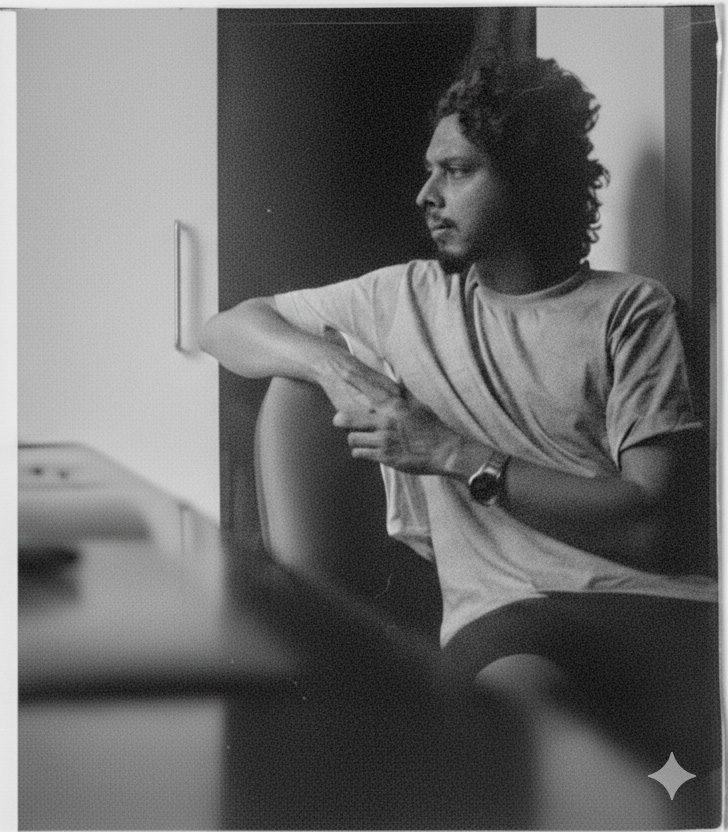
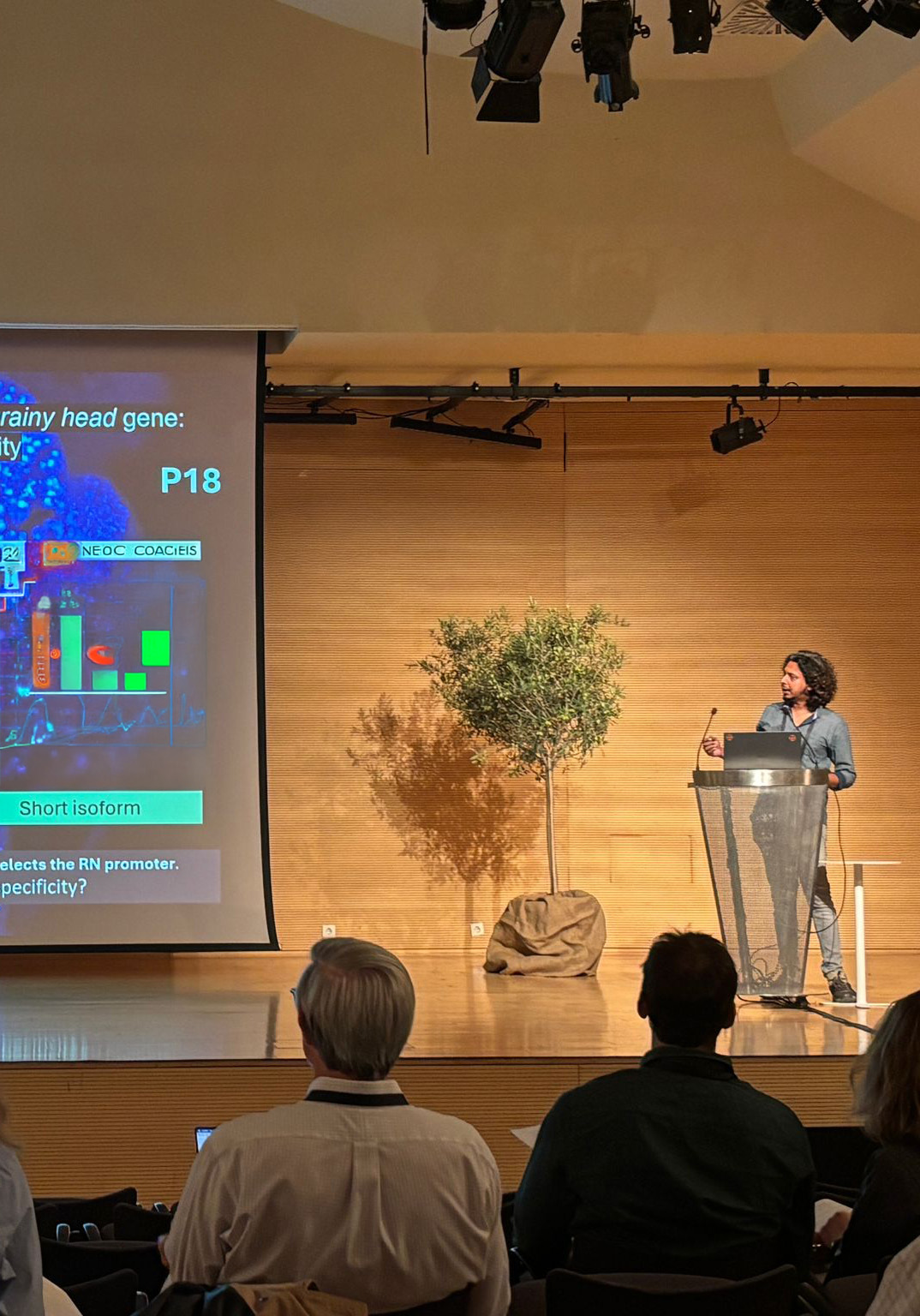
For over a decade, I navigated the world's most advanced laboratories—from the quiet rigor of IISER to the frontier research of the University of Cambridge. I have seen where true science is born: not in the mass accumulation of facts, but in a logical architecture that withstands the pressure of discovery. Traditional schooling often reduces science to a series of labels to be memorized, treating the mind as a storage unit rather than an active processor. I founded Karmakar Klasses to shift this paradigm. We bridge the gap by bringing the high-fidelity structural logic used in global research back to our local roots. We don't just teach the syllabus; we architect a Researcher's Lens, equipping students with the structural thinking required to master the complexity of life.
The record
The journey
Haldia, West Bengal
Two generations of teachers at home: my parents and my grandparents.
Bangalore University
First ClassMadurai Kamaraj University
IISER Kolkata · Dr Mohit Prasad's lab
Ran a multi-year research project from design to publication, trained undergraduates in lab work and microscopy, and supervised Master's students.
ICMR Senior Research FellowUniversity of Cambridge · Prof. Sarah Bray's lab
Led an independent line of research on how genes guide the developing nervous system, presented it at international conferences, and mentored Master's students.
Karmakar Klasses
I lead The Collective in building science courses for CBSE Class 9 and 10, and I review every resource for accuracy and clarity.
The science, in plain words
The same habits of mind, asking how a thing works and checking the evidence, shape every lesson we build.
Investigating the clean-up systems inside cells that let groups of cells travel together through a living body.
Studying the genetic master switches that decide how a developing nervous system takes shape.
A teacher at every stage
Designed and ran structured training in laboratory technique and microscopy at IISER Kolkata.
Supervised Master's research projects at IISER Kolkata and the University of Cambridge: setting goals, teaching techniques and giving regular feedback.
Teaching school students online, and leading the team of five to six people who produce every course.
Beyond the lab and the classroom
A canteen on the IISER Kolkata campus, monitored by students.
Helped make it a prominent name in the music scene of Bengal.
An online fundraising concert series that fed families and supported schoolchildren in remote villages.
The research symposium of the Department of Physiology, Development and Neuroscience.
What I believe
Years at the microscope taught me that a student who can see how a cell or a force works has understood it, and a student who can only label it has memorised it. So we show the structure before we name it.
We treat Class 9 science with the care of a research paper. Students learn the evidence behind each idea, so their answers rest on reasoning they can explain.
Inspired by Sugata Mitra's self-organised learning, we help students move from listening to exploring, until they can ask good questions of their own.
Success is a delayed response to the foundation built today. Let's build it with the rigor of a researcher and the curiosity of an artist.
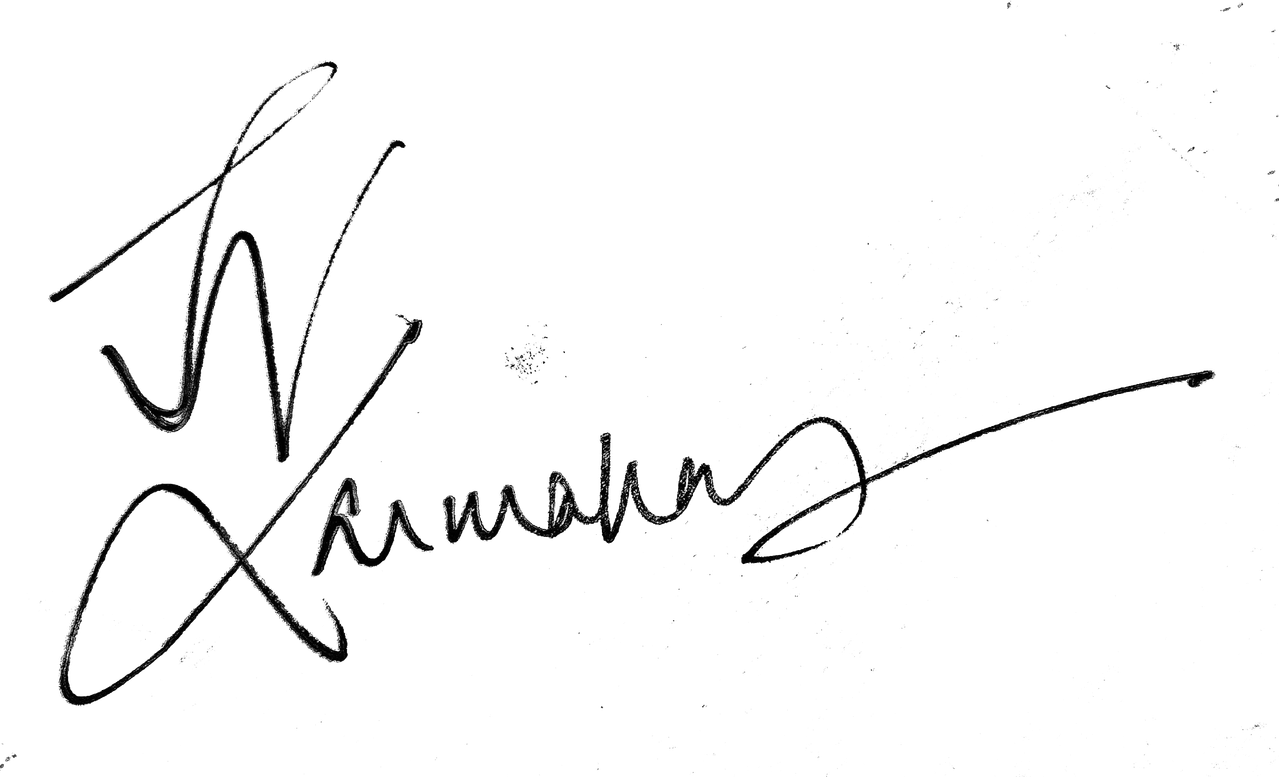
Dr. Susnata Karmakar
Founder & Academic Director

 200K+ creators trust Graphy